
North Wales is a beautiful corner of the UK. I love it because you’re only ever a short drive away from dramatic and beautiful scenery. Rugged mountains, rolling heather-clad hills and a stunning coastline with gorgeous beaches.
As well as being a great place to visit for those idyllic beaches, hills and not forgetting historic castles and ancient monuments – it’s also home to a huge variety of wildlife and a large number of nature reserves.

Beyond the peaks of Eryri (Snowdonia) National Park and the popular coastal resorts, North Wales is a tapestry of protected habitats, including two AONB’s or Natural Landscapes.
Rare limestone grasslands humming with butterflies, internationally important fenlands (like those on Anglesey) and rugged sea cliffs that are a sanctuary for thousands of nesting seabirds amongst just a few of the highlights.
Birdwatchers, botanists, or those simply looking for a beautiful spot to reconnect with nature, will find that North Wales’ nature reserves offer a diverse array of animals, birds and plants.
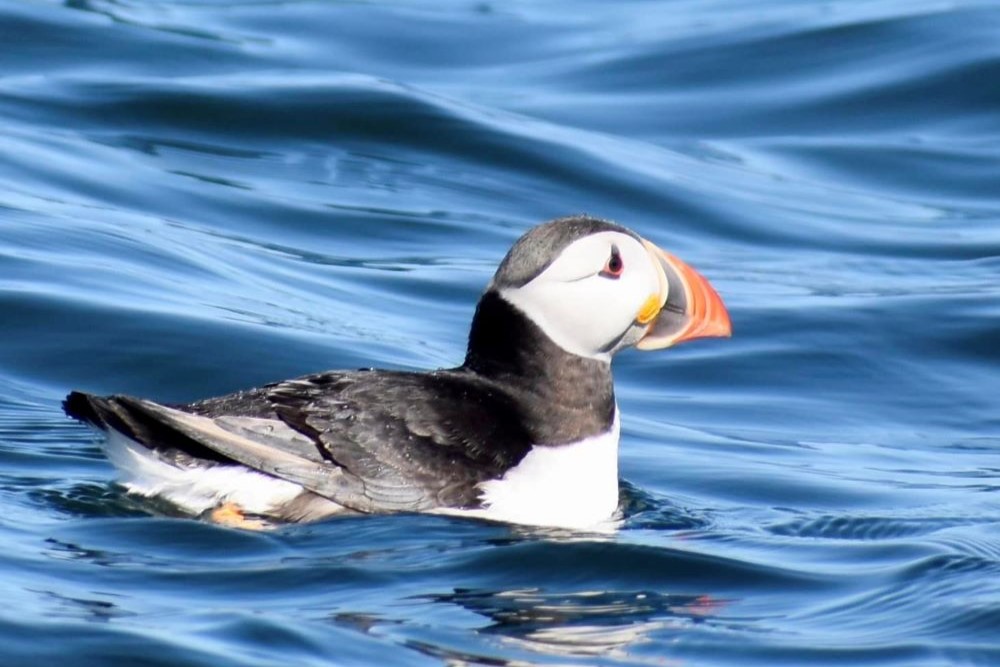
In this post, I’ve compiled a list nature reserves and protected areas across North Wales, but first let’s take a look at the various levels of management of these nature reserves and protected habitats.
Understanding the Custodians of North Wales’ Nature Reserves
The natural landscapes of North Wales, from its coastal dunes to its ancient mountains, are protected and managed by several key organisations. Understanding who is responsible for these areas provides crucial insight into the conservation priorities, funding, and public access opportunities at each site. The table below outlines the primary organisations responsible for managing the region’s legally designated protected sites, which fall under three main categories: National Nature Reserves (NNRs), North Wales Wildlife Trust (NWWT) reserves, and Local Nature Reserves (LNRs).
Natural Resources Wales (NRW): The National Custodian
Natural Resources Wales is the largest Welsh Government Sponsored Body and the principal organisation responsible for the sustainable management of Wales’ natural resources.
Role in North Wales: NRW is the custodian of the country’s most ecologically significant areas. It owns or manages (often in partnership) sites designated as National Nature Reserves (NNRs). These reserves represent the very best examples of Welsh wildlife habitats and geological features, and their management is aimed at the highest standards of scientific study and conservation. NRW also plays the role of regulator and adviser to the Welsh Government on all major environmental issues.

North Wales Wildlife Trust (NWWT): Regional Protection
The North Wales Wildlife Trust is a regional conservation charity and one of the 47 Wildlife Trusts across the UK. It is funded by members and donations, making it highly responsive to local conservation needs.
Role in North Wales: The Trust is directly responsible for actively managing a network of over 35 sites, which it terms NWWT reserves. These sites encompass a wide range of habitats, from coastal lagoons to ancient woodland, and are protected for both their wildlife value and as places for the local community to connect with nature. Their work includes habitat restoration, community engagement, and campaigning on local environmental issues.

RSPB & National Trust: Specialist and Landscape Managers
These two non-governmental organisations manage significant protected sites, often focusing on specialist conservation goals or large, iconic landscapes.
- RSPB (Royal Society for the Protection of Birds): The UK’s largest nature conservation charity, RSPB Cymru manages sites specifically to secure a healthy environment for birds and other wildlife. Their managed sites, such as the wetlands at Conwy or the cliffs on Anglesey, are strategically important for avian conservation and often hold overlapping designations as NNRs or significant LNRs.
- The National Trust: As a major conservation body, the Trust protects land of historic, landscape, and natural importance. In North Wales, they are responsible for large, iconic holdings like vast sections of the coastline and mountain landscapes. These properties, while often containing NNRs managed in partnership with NRW, are managed to ensure long-term habitat protection alongside sustainable public access.
Local Authorities: Community Nature Reserves
Local Authorities, such as the County Councils for Gwynedd, Conwy, and Anglesey, hold the statutory power to designate and manage reserves for the benefit of their residents.
Role in North Wales: These bodies declare and manage Local Nature Reserves (LNRs). LNRs are sites of importance to the local community, often situated near urban areas. They primarily serve to protect local natural features, offer educational opportunities, and provide accessible green space for people to enjoy and appreciate nature close to home.
| Reserve Name | Organisation | County | Description | Find Out More |
|---|---|---|---|---|
| South Stack Cliffs RSPB Reserve | RSPB | Anglesey | A spectacular coastal reserve on Holy Island, famous for its dramatic sea cliffs and large breeding colonies of seabirds like Puffins, Guillemots, and Razorbills. The reserve includes Elin’s Tower information centre and surrounding heathland, and is home to Choughs and Peregrine Falcons. | South Stack Cliffs RSPB Reserve |
| Cors Ddyga RSPB Reserve | RSPB | Anglesey | An extensive wetland site, forming the eastern part of the larger Malltraeth Marsh Site of Special Scientific Interest (SSSI). It features a complex network of ditches, lakes, and ponds, providing vital habitats for rare wetland plants and numerous breeding and wintering water birds. | Cors Ddyga RSPB Reserve |
| Cemlyn Nature Reserve | NWWT | Anglesey | A famous coastal reserve featuring a naturally formed shingle ridge lagoon, making it one of the UK’s most important seabird breeding colonies. It is particularly known for its terns, including the Arctic and Sandwich Terns. | Cemlyn Nature Reserve |
| Mariandyrys Nature Reserve | NWWT | Anglesey | Located on the limestone outcrop of Penmon, this reserve is known for its diverse habitats, including limestone grassland and woodland, which support rich displays of wildflowers and butterflies in the spring and summer. | Mariandyrys Nature Reserve |
| Coed Porthamel Nature Reserve | NWWT | Anglesey | A peaceful, mature broadleaf woodland with open glades, reclaimed by nature from an old limestone quarry and landfill site. It is a good location for woodland birds and butterflies. | Coed Porthamel Nature Reserve |
| Porth Diana Nature Reserve | NWWT | Anglesey | Part of the nationally important coastal heath on Holy Island, the reserve is home to the Spotted Rock-rose, Anglesey’s county flower. The short coastal turf supports various wildflowers and invertebrates. | Porth Diana Nature Reserve |
| Caeau Pen y Clip Nature Reserve | NWWT | Anglesey | A reserve of species-rich meadows and marshland overlooking the Menai Strait. It’s an excellent site for wildflowers and is also known for sightings of Red Squirrels in the nearby woodland. | Caeau Pen y Clip Nature Reserve |
| Cors Goch | NNR (Managed by NWWT) | Anglesey | A nationally important, species-rich wetland, which includes fen, calcareous heath, and acid heath. This mix of habitats supports several rare plants, as well as species like the Great Crested Newt and Adder. | Cors Goch |
| Newborough Warren & Forest | NNR | Anglesey | A huge coastal site featuring sand dunes, saltmarsh, and the vast Newborough Forest (a commercial forest), with trails leading to Llanddwyn Island. It’s famous for its resident population of Red Squirrels. | Newborough Warren & Forest |
| Cors Bodeilio | NNR | Anglesey | A globally important calcareous fen (mire) fed by mineral-rich water from the underlying limestone. It is known for its unique, rich-fen plant communities and diverse invertebrate fauna, including several rare orchid species. | Cors Bodeilio |
| Cors Erddreiniog | NNR | Anglesey | The largest fen on Anglesey, and considered the “Jewel in the crown of the Anglesey fens.” It is a large SSSI with reedbeds, woodland, and open water, famous for its 15 species of dragonfly and damselfly. | Cors Erddreiniog |
| The Dingle (Nant y Pandy) | LNR | Anglesey | A charming woodland valley walk along the River Cefni near Llangefni. It features an accessible wooden boardwalk, sculpted benches, and is one of the best places on the island to spot Red Squirrels. | The Dingle (Nant y Pandy) |
| Holyhead Breakwater Country Park | LNR | Anglesey | Situated on the site of an old quarry that provided stone for the Holyhead Breakwater, the park offers stunning coastal scenery, a lake, and quarry habitats where you can see Chough and Peregrine Falcons. | Holyhead Breakwater Country Park |
| Coed Cyrnol | LNR | Anglesey | A mixed woodland and foreshore reserve situated right next to the town of Menai Bridge. It offers spectacular views of the Menai Strait and the mountains of Eryri (Snowdonia), and is frequented by woodland birds and Red Squirrels. | Coed Cyrnol |
| RSPB Conwy | RSPB | Conwy | A man-made wetland reserve on the Conwy estuary, created from material dug out during the construction of the A55 road tunnel. It features brackish lagoons, mudflats, and a visitor centre, attracting a variety of ducks, waders, and gulls year-round. | RSPB Conwy |
| Rhiwledyn Nature Reserve (Angel Bay) | NWWT | Conwy | Located on the Little Orme headland, this reserve consists of limestone grassland and blackthorn scrub. It offers stunning sea views and is part of the cliff area overlooking Angel Bay, a well-known spot for viewing a small colony of Grey Seals. | Rhiwledyn Nature Reserve (Angel Bay) |
| Bryn Pydew Nature Reserve | NWWT | Conwy | One of Wales’ best sites for limestone flora, featuring limestone pavement (clints and grykes), woodland, grassland, and two disused quarries. It is rich in wildflowers, including six species of orchid, and supports a high diversity of butterflies and moths. | Bryn Pydew Nature Reserve |
| Blaen-y-Weirglodd Nature Reserve | NWWT | Conwy | A secluded, ten-acre peat bog and Site of Special Scientific Interest (SSSI). This scarce habitat is home to specialist plants like Round-leaved Sundew and Bog Asphodel, as well as several varieties of Sphagnum moss and a rich invertebrate community. | Blaen-y-Weirglodd Nature Reserve |
| Bodlondeb Woods | LNR | Conwy | A small, mixed coniferous and deciduous woodland on a hillside, indicative of ancient status with splendid drifts of bluebells in spring and glimpses of the coast and mountains. | Bodlondeb Woods |
| Great Orme/Maes y Facrell | NNR / LNR | Conwy | A spectacular limestone headland managed as a National Nature Reserve (NNR) and Local Nature Reserve (LNR). It features sea cliffs, exposed limestone pavement, and calcicolous grassland, supporting a unique flora (including the rare Orme Berry) and fauna like Chough, seabirds, and the Silver-studded Blue butterfly. | Great Orme/Maes y Facrell |
| Coed Cilygroeslwyd Nature Reserve | NWWT | Denbighshire | One of the Trust’s oldest reserves, this is a mixed-broadleaf and yew woodland situated on limestone pavement near Ruthin. The geology creates a microclimate for unique flora, including wildflowers usually associated with ancient woodlands, and is one of only two sites in Wales for Limestone Woundwort. | Coed Cilygroeslwyd Nature Reserve |
| Gors Maen Llwyd Nature Reserve | NWWT | Denbighshire | The Trust’s largest reserve (280 hectares), this atmospheric site on the Denbigh Moors is a mix of upland heather moorland and blanket bog, and is part of the Mynydd Hiraethog SSSI. It is important for upland birds like Black Grouse (who lek here in spring) and for its bog plants like Cranberry and Sphagnum moss. | Gors Maen Llwyd Nature Reserve |
| Maes Hiraddug Nature Reserve | NWWT | Denbighshire | A small but valuable area of species-rich neutral grassland (hay meadow) surrounded by woodland, located near Dyserth. Saved from development, it is managed using traditional practices to promote a huge variety of wildflowers (over 142 species recorded) and is a haven for butterflies and other insect pollinators in summer. | Maes Hiraddug Nature Reserve |
| Hafod Elwy | NNR | Denbighshire | A large expanse of upland heather moorland with a mix of heathland and wetter acid bogs. It is an important habitat for ground-nesting birds such as Merlins and Hen Harriers. | Hafod Elwy |
| Brickfields Pond | LNR | Denbighshire | A former clay pit that is now a scenic coarse fishery and nature reserve, popular with anglers for its variety of species including carp, pike, and tench. | Brickfields Pond |
| Dee Estuary – Point of Ayr | RSPB | Flintshire | Located on the northernmost tip of Wales, this unmanned reserve is a vital part of the vast Dee Estuary. Its habitats, including reedbeds, beach, dunes, and tidal mudflats, provide crucial feeding and roosting grounds for thousands of waders and wildfowl (such as avocets, curlews, and various ducks). | Dee Estuary – Point of Ayr |
| Coed y Felin Nature Reserve | NWWT | Flintshire | An ancient oak/ash woodland with a long post-industrial heritage, known for a flower-rich meadow and spectacular bluebell carpets in spring. | Coed y Felin Nature Reserve |
| Aberduna Nature Reserve | NWWT | Flintshire | This reserve offers stunning views across the Alyn Valley and is underlain by limestone, supporting rich habitats like calcareous grassland and woodland with glades. It is renowned for its wildflowers (including various orchids) and a wide range of butterflies, such as the Small Pearl-bordered Fritillary. | Aberduna Nature Reserve |
| Marford Quarry Nature Reserve | NWWT | Flintshire | An old sand and gravel quarry that is now a wildlife oasis and a designated SSSI. It is nationally important for its invertebrate fauna (over 1,000 species recorded), especially solitary bees, ants, and wasps (aculeate Hymenoptera), which thrive in the bare, sandy, post-industrial habitat. It also features wildflowers and butterflies. | Marford Quarry Nature Reserve |
| Wepre Park | LNR | Flintshire | A popular park with rich heritage, including ancient woodlands and the remains of Ewloe Castle. The habitat features woodland, Wepre Brook, and a pond (Rosie Pool). | Wepre Park |
| Abercorris Nature Reserve | NWWT | Gwynedd | A small, ancient broad-leaved woodland in the steep-sided Corris Valley, notable for ferns, mosses, and woodland birds. The River Deri runs through the site and is a salmon spawning ground. | Abercorris Nature Reserve |
| Spinnies Aberogwen Nature Reserve | NWWT | Gwynedd | A coastal reserve of lagoons and surrounding habitats next to the Ogwen Estuary. It provides shelter and food for wildfowl and waders, with bird hides available for viewing. | Spinnies Aberogwen Nature Reserve |
| Coed Crafnant Nature Reserve | NWWT | Gwynedd | A wild, ancient Atlantic oak woodland (part of the “Celtic Rainforest”) on a steep hillside, with ancient trees, rich lichen/moss assemblages, and steep, rough paths. | Coed Crafnant Nature Reserve |
| Caeau Tan y Bwlch Nature Reserve | NWWT (Managed for Plantlife) | Gwynedd | A Site of Special Scientific Interest (SSSI) featuring a flower-rich mosaic of traditional hay meadows with magnificent views of the coast and Snowdonia. | Caeau Tan y Bwlch Nature Reserve |
| Cwm Idwal | NNR | Gwynedd | Wales’ first NNR. A spectacular hanging glacial valley surrounded by high crags, offering a classic example of glaciation and unique Arctic-Alpine plant life. | Cwm Idwal |
| Bardsey Island (Ynys Enlli) | NNR | Gwynedd | A historic island renowned for its wildlife, including a large breeding colony of Manx shearwaters, Atlantic grey seals, and rare flowering plants on the coastal grassland and heathland. | Bardsey Island (Ynys Enlli) |
| Morfa Harlech | NNR | Gwynedd | One of the major sand dune systems on the Meirionnydd coast, featuring dazzling displays of wild orchids and a diverse range of insects, including the silver-studded blue butterfly. | Morfa Harlech |
| Morfa Dyffryn | NNR | Gwynedd | An important and constantly reshaping sand dune system, valued for its areas of bare sand which support scarce insects like the dune tiger beetle, and waterlogged dune slacks. | Morfa Dyffryn |
| Coedydd Aber | NNR | Gwynedd | A valley with oak, hazel, and alder woodland, famous for its spectacular waterfall (Aber Falls) and humid micro-climate which supports a variety of mosses, liverworts, and lichens. | Coedydd Aber |
| Morfa Aber | LNR | Gwynedd | A coastal reserve with intertidal mudflats and freshwater pools, providing important feeding and roosting grounds for wildfowl and waders like curlew and widgeon. | Morfa Aber |
| Morfa Madryn | LNR | Gwynedd | A mixture of coastal wetland habitats including freshwater pools and reed beds, managed as a disturbance-free area for birds to feed, rest, and breed, especially wildfowl and waders. | Morfa Madryn |
| Y Foryd | LNR | Gwynedd | A partially enclosed tidal bay on the Menai Strait with extensive mudflats and salt marsh, an important site for native and migratory birds, including large flocks of wigeon. | Y Foryd |
| Parc Dudley | LNR | Gwynedd | Created on the site of a former granite quarry, this reserve covers 18 hectares with woodland and diverse habitats, offering a short walk with industrial heritage interest. | Parc Dudley |
| Lôn Cob Bach | LNR | Gwynedd | Formed from a drainage project in the 18th century, the reserve features wet pasture and salt marsh, with intertidal mud and reed beds providing habitat for protected species like otters and kingfishers. | Lôn Cob Bach |
| Pen y Banc | LNR | Gwynedd | Coastal reserve near Porthmadog featuring coastal rocks, sandy coves, and mixed woodland. It’s known for its diverse birdlife (curlew, terns) and coastal vegetation (gorse, heather). A popular site with a coastal path running through it. | Pen y Banc |
| Traeth Lafan | LNR | Gwynedd / Conwy | A vast area of intertidal sand and mud flats (Lavan Sands), a crucial feeding and roosting area for wintering waterbirds, including nationally important numbers of oystercatcher. | Traeth Lafan |
| Minera Quarry Nature Reserve | NWWT | Wrexham | A disused limestone quarry and SSSI with a rich industrial history. It features diverse habitats including calcareous grassland with numerous orchid species, developing woodland, and nesting sites for birds of prey. | Minera Quarry Nature Reserve |
| Alyn Waters Country Park | LNR | Wrexham | The largest country park in Wrexham, featuring a mix of woodland, grassland, and riverside walks. It is notable for rich meadow habitats developed on old quarry land, with several orchid species. | Alyn Waters Country Park |
| Coed Trellyniau Nature Reserve | NWWT | Wrexham (See Note) | A fragment of ancient woodland, once cleared and replanted, now being restored to native species. It’s famous for its carpets of spring flowers like bluebells, wood anemones, and wild garlic. | Coed Trellyniau Nature Reserve |
| Fenn’s, Whixhall & Bettisfield Mosses | NNR | Wrexham / Shropshire | One of the largest and best remaining lowland raised bogs in Britain, straddling the English/Welsh border. It is a site of international importance for its unique peatland habitat and associated wildlife. | Fenn’s, Whixhall & Bettisfield Mosses |
Leave a Reply